Store Ops
From the build through to daily operation. Never built and handed over — conversion and order value are worked on every day.
Area
Own store & CRO
Cadence
Daily
Scope
Account ownership
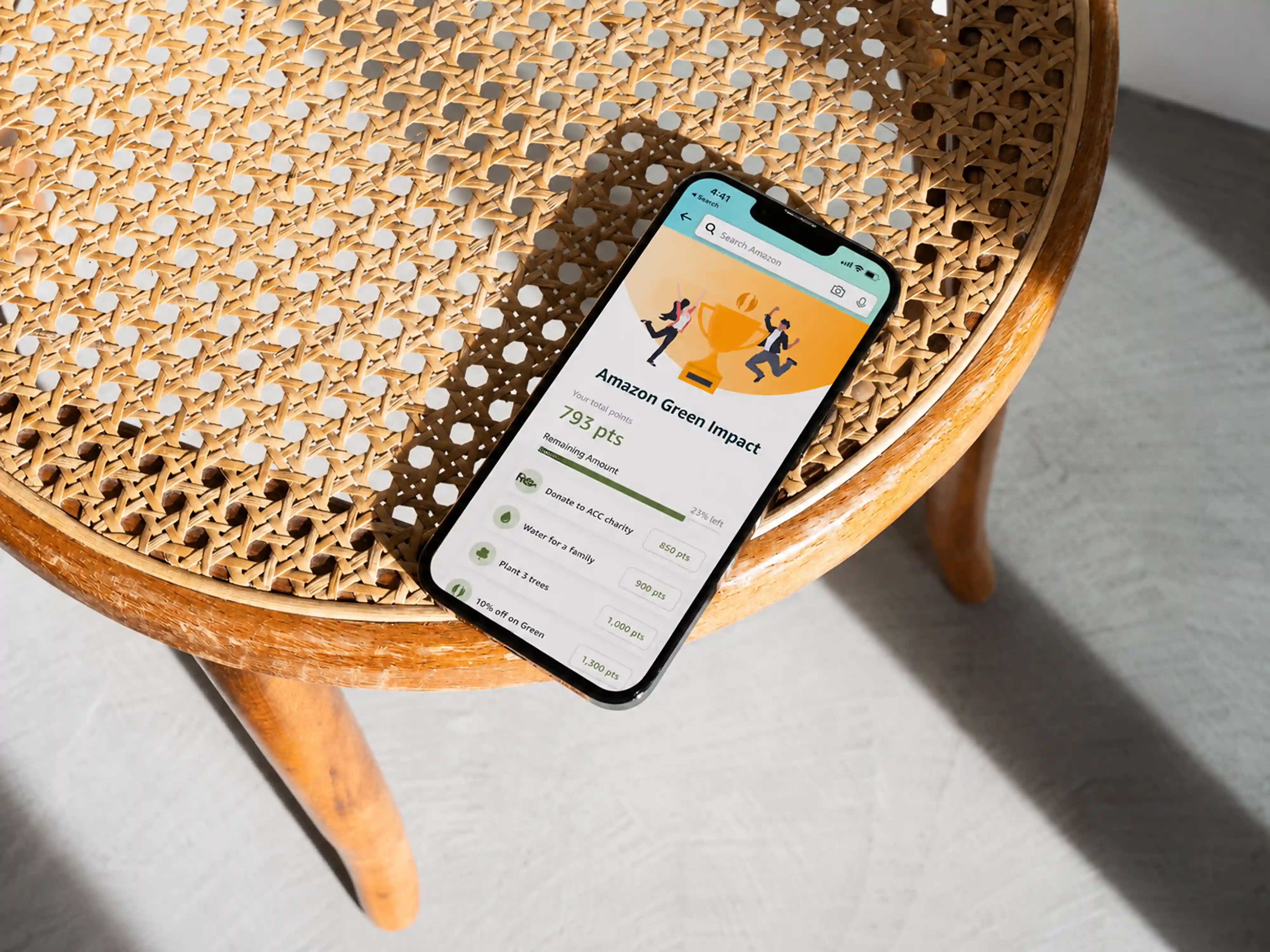
A store is not finished when it launches. CIZ handles the build, then product and SKU operations, pricing and promotion, cart improvement (CRO) and cross-border — and runs all of it daily.
What gets improved is conversion rate and order value, not appearance. Whatever is losing people at the cart is fixed before anyone touches the homepage.
The problem
Because the same team holds advertising and social, product pages can be rewritten to match the traffic arriving at them. Split the traffic side from the landing side across two vendors and that loop cannot happen.
Cross-border is not just currency, shipping and language. The barrier to purchase differs by market, so payment methods and sizing conventions are part of the design.


Validation
The point of the build is to convert the demand that advertising and social created without losing any of it.
Where the work goes
Product pages: the information needed to decide comes first, ahead of the specification list. Whatever loses people during comparison gets removed.
Cart: form fields, payment methods and when shipping cost appears. This is reliably where the largest gains are.
Category structure: product and category architecture is designed together with SEO. Search and on-site navigation are the same problem.
Pricing and promotion: order value is raised through bundling and multi-buy. Straight discounting only removes margin.
Where a store usually sits
How the options for building and running a store differ.
Build agency: the store gets built, but running it afterwards is a separate contract, so improvement stops at launch.
Platform: perfectly good as a foundation, but operating and improving it is still yours to staff.
Operations vendor: the daily updates happen, but usually with no connection to how the traffic is being bought.
How do we convert the demand we created without losing any of it?
User Model
Where conversion is being lost, stage by stage through the funnel.
Whether the product page says what the advertising promised.
Why people abandon at the cart and at payment, walked through end to end.
Whether inventory and production actually line up with the sales plan.
The landing experience gets fixed before traffic is increased. Reverse the order and the ad budget is wasted.
Conversion comes before a visual refresh.
Who is buying
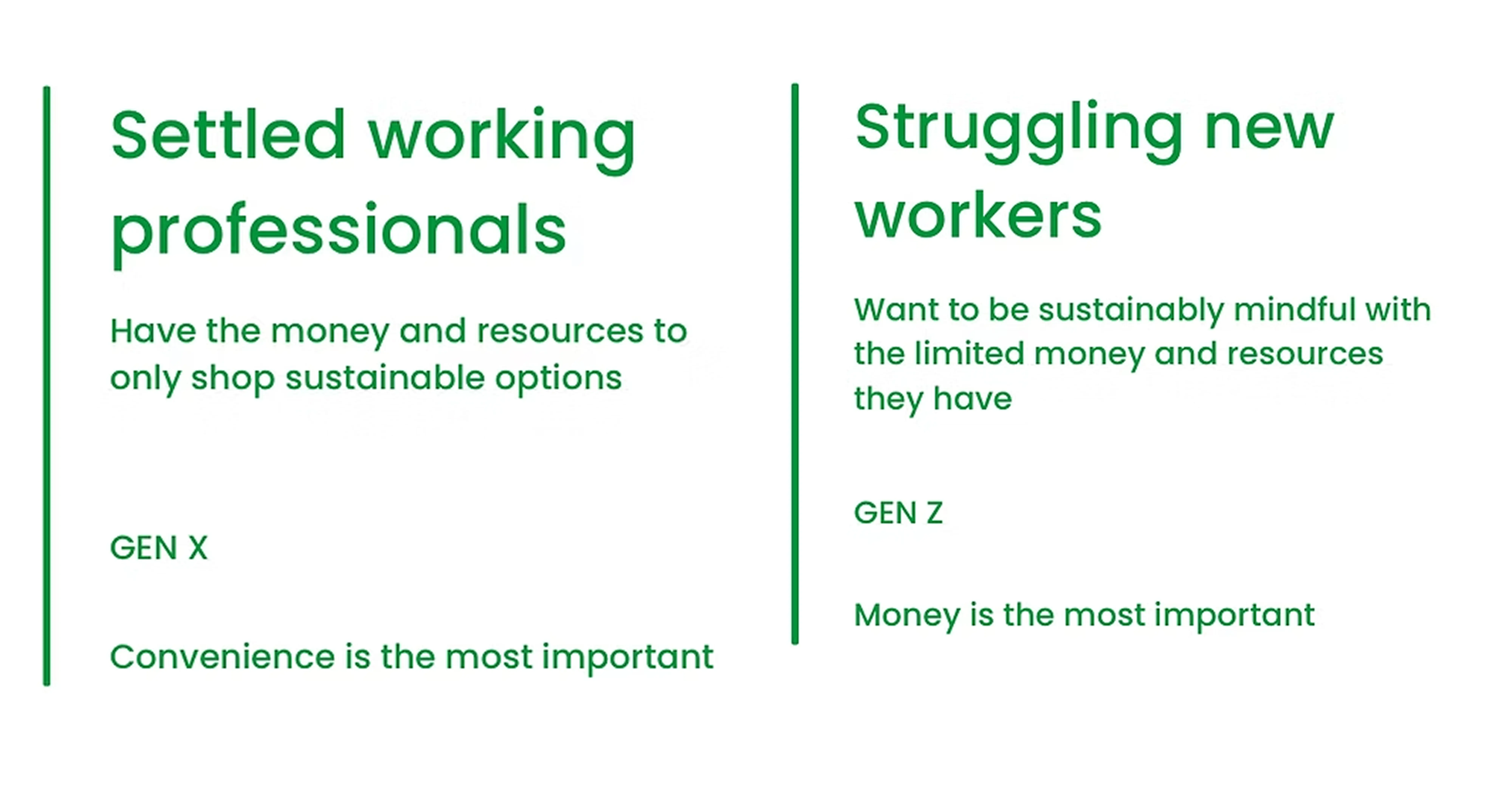
Buyers split between those choosing on price and those choosing on use case. The messaging is built separately for each.
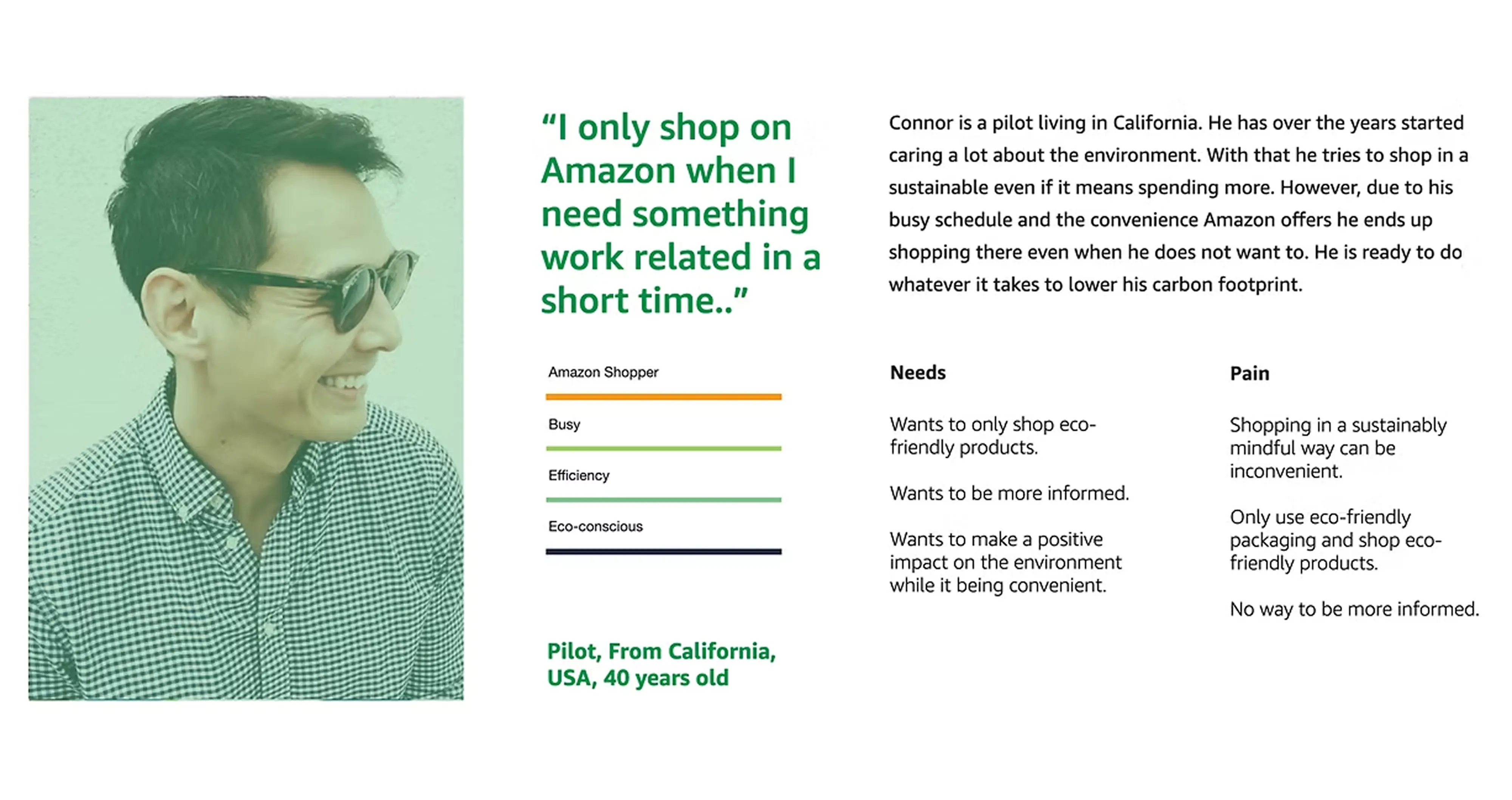
The path today
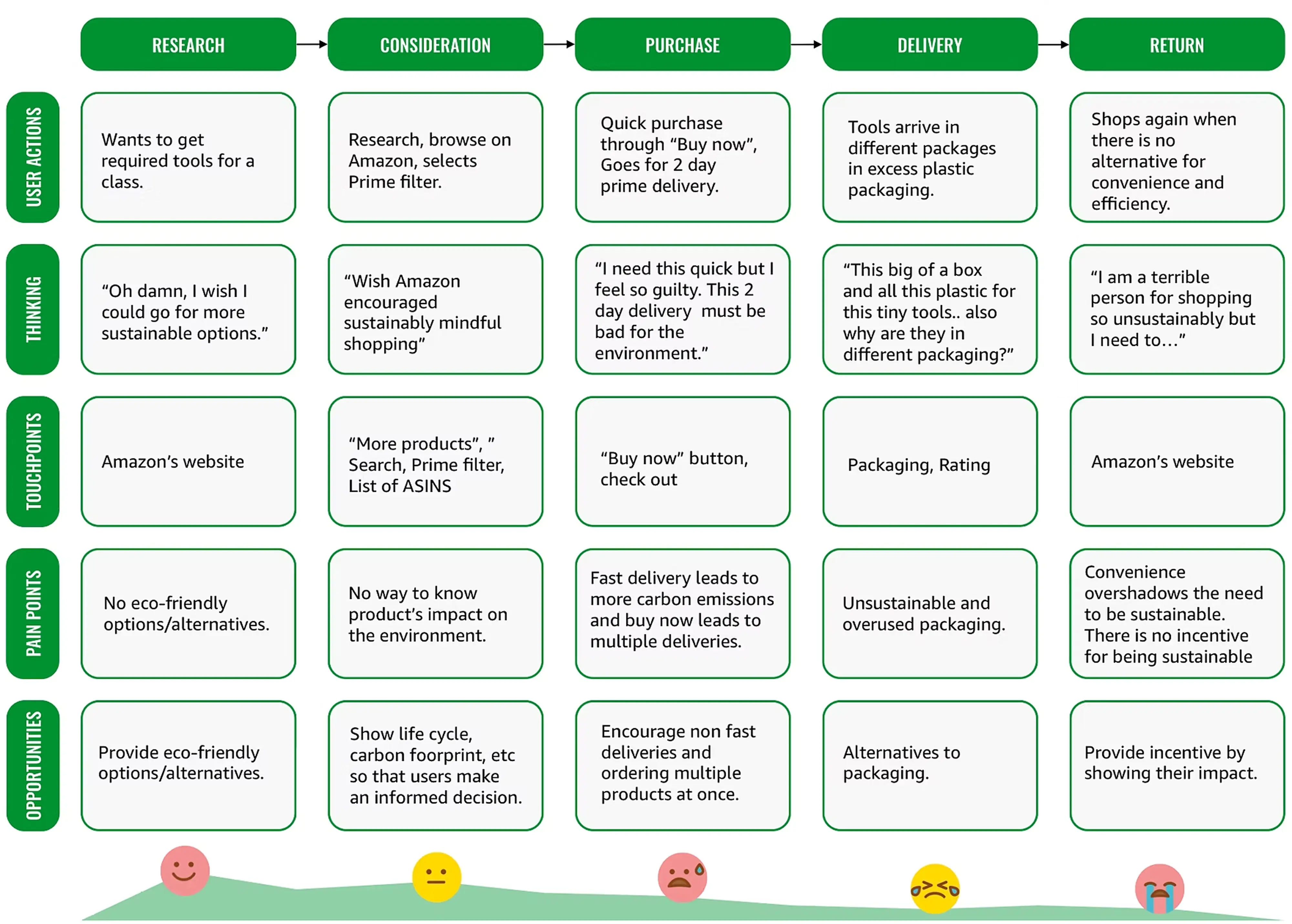
Mapping what exists
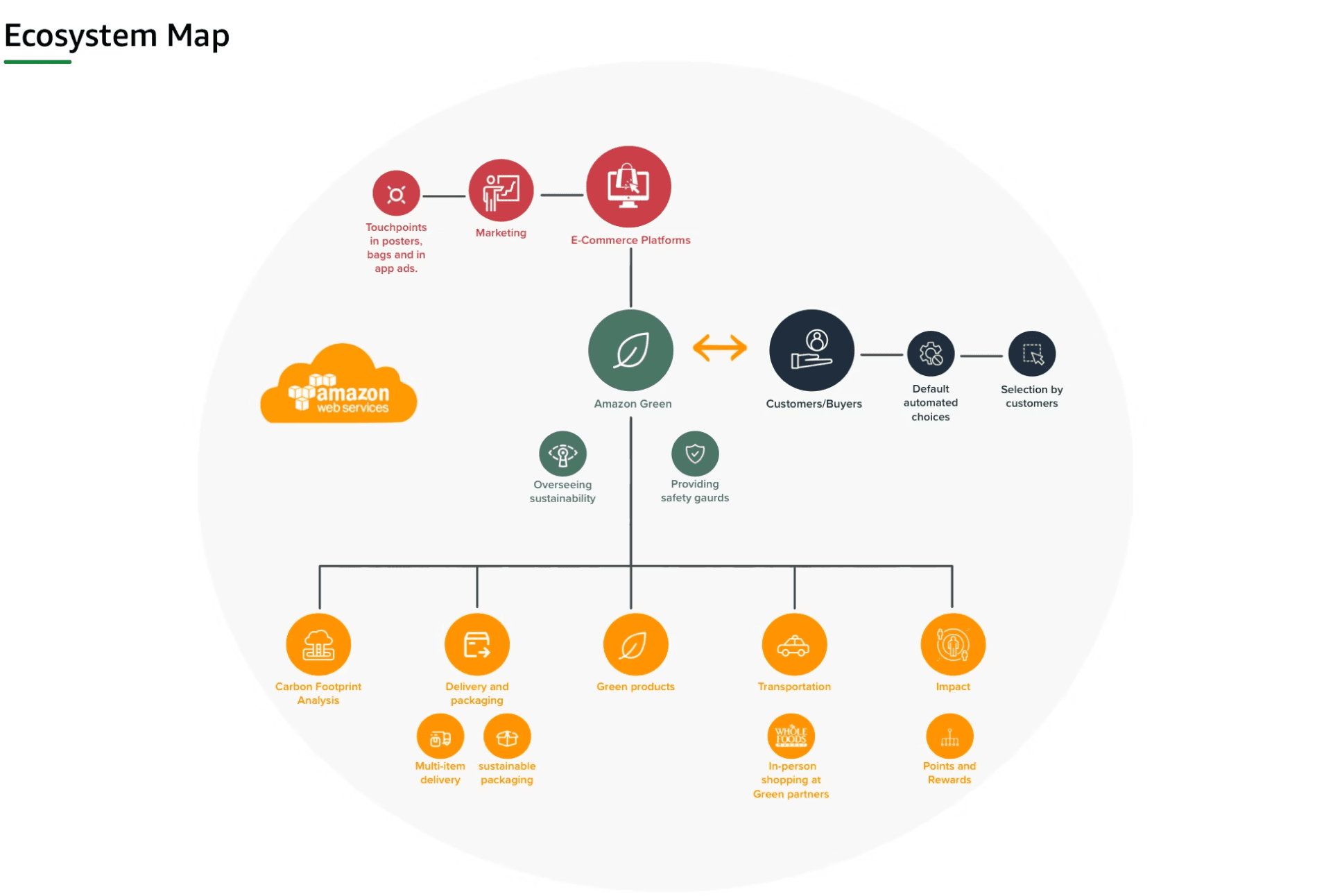
Tag & API setup and User Testing.
The initial design runs product range, category structure and cart as one piece. Handled separately, they stop agreeing with each other later.
The initial design runs product range, category structure and cart as one piece. Handled separately, they stop agreeing with each other later.
The initial design runs product range, category structure and cart as one piece. Handled separately, they stop agreeing with each other later.
The initial design runs product range, category structure and cart as one piece. Handled separately, they stop agreeing with each other later.
The initial design runs product range, category structure and cart as one piece. Handled separately, they stop agreeing with each other later.
Stage one: fix the landing experience
Product information carries what comparison actually requires: materials, sizing, use case, and how it differs from the alternatives.
Price and shipping are stated early. Discovering them at the cart is a leading cause of abandonment.
Reviews and real-use photography move the purchase decision directly. Material from social and influencer work is routed here.
What stage one covers
Product pages carry use-case and care information. What cannot be pictured in use does not sell.
Connecting the physical store
Stage two: raise order value
Browsing: related and complementary products are designed in, so an order does not stop at one item.
Repeat: post-purchase contact and a route back in. Acquisition cost is only recovered from the second order onward.
Landing pages: paid traffic sometimes needs its own landing page rather than the product page, split by message.
What stage two covers
Page speed and image weight are monitored continuously; both feed straight into conversion.
Brand expression is kept to what does not obstruct the decision. Decoration must never hide the path through.
Back-office conventions are documented so the store is updated to the same standard regardless of who is doing it.
The build and the daily operation of your own store, held by the same team as advertising and social.
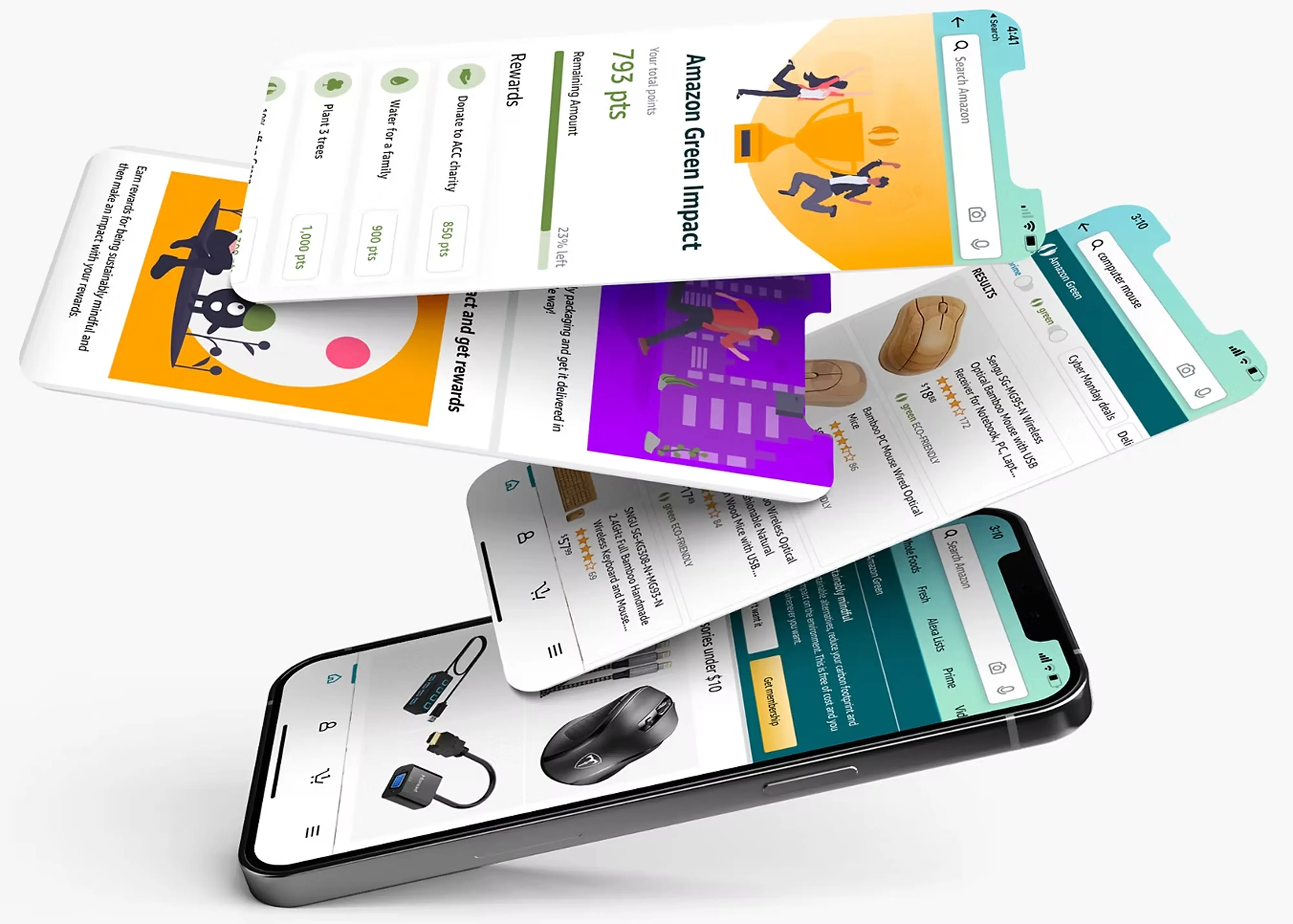
Getting started
We start by reviewing the store and its measurement, then set the order of work. The cart and the product pages come first.
Where a migration is needed it is staged, in an order that does not put existing revenue at risk.

Listing and filters
Categories and filters are built around how people actually search, not around how the catalogue is organised internally.
Out-of-stock items are designed with the alternative already offered.
Product detail
The detail page carries everything the decision needs without sending anyone elsewhere.
Where a higher-specification option exists for the same use, the two can be compared side by side.
Cart and payment
The cart shows total, shipping and delivery date together.
Packaging and delivery options are offered so cost and timing can be traded off.
Physical store
Payment methods are whatever the target market actually uses.
Form fields are kept to a minimum, and creating an account is never a condition of buying.
Reporting
Post-purchase status is surfaced where your team can actually see it.
Sales data comes out at a granularity the advertising side can allocate against directly.
After the purchase
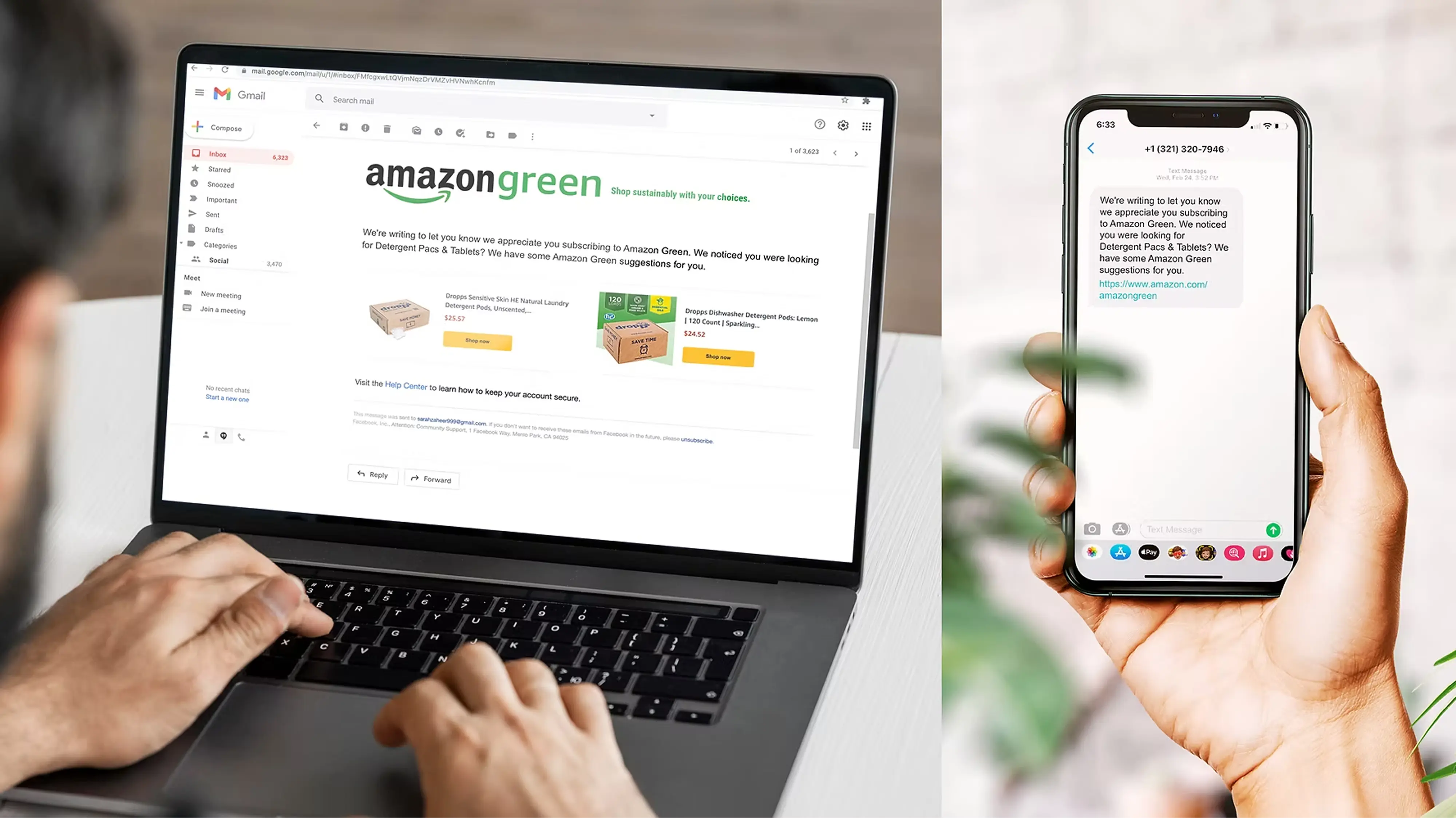
Packaging and delivery

How the message appears

Sales plan
The result is advertising, social and the store all working from the same numbers.
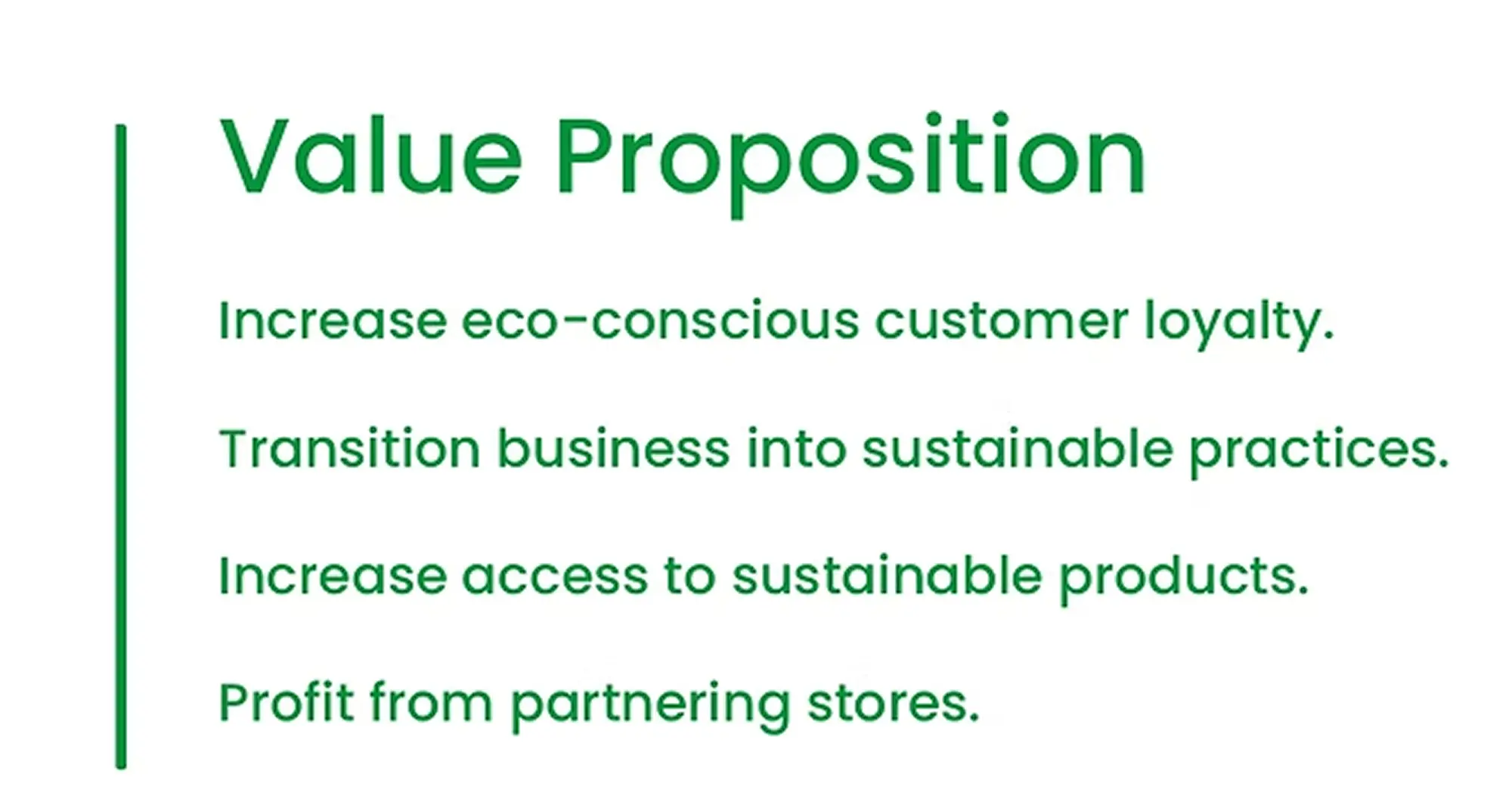
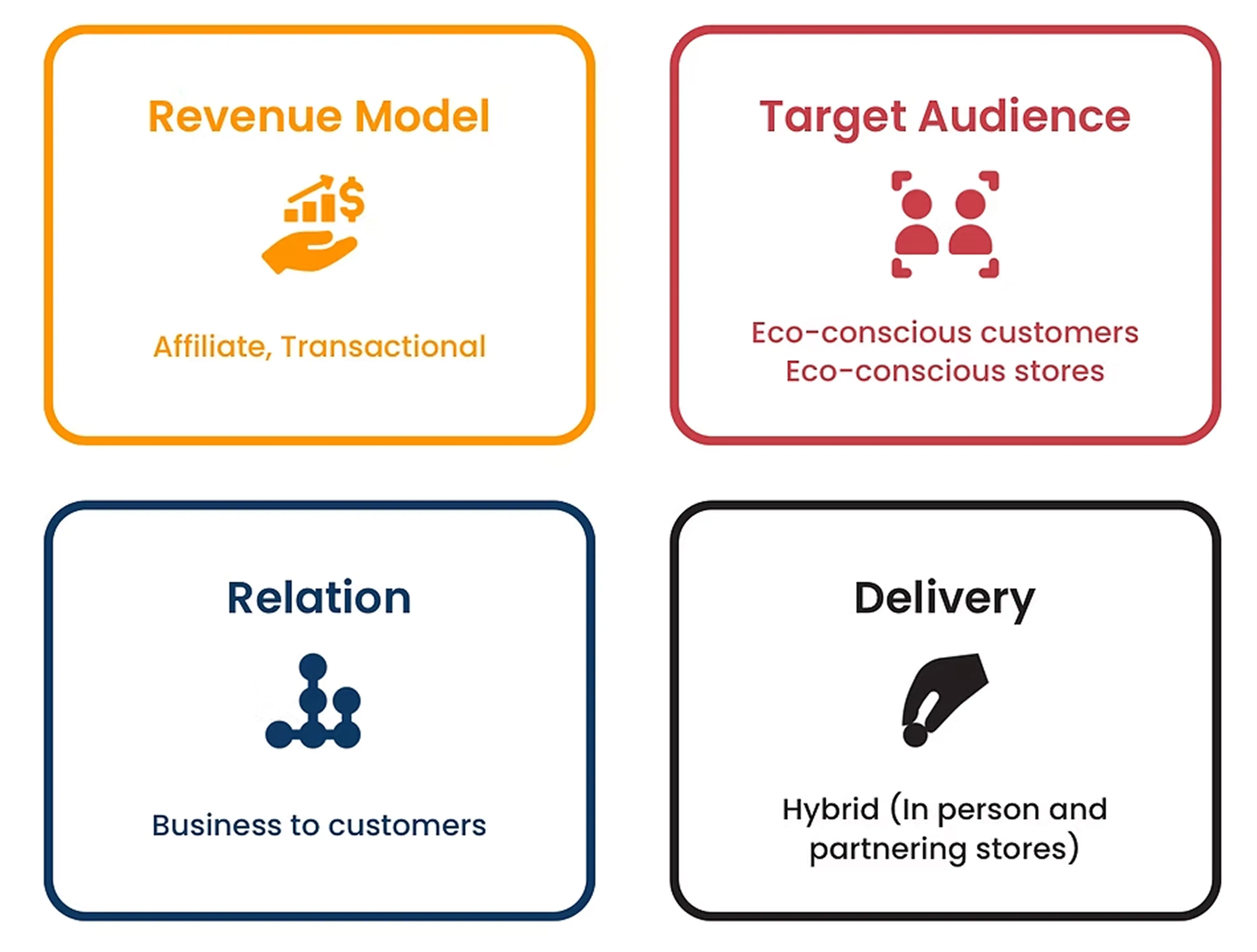
The path after handover
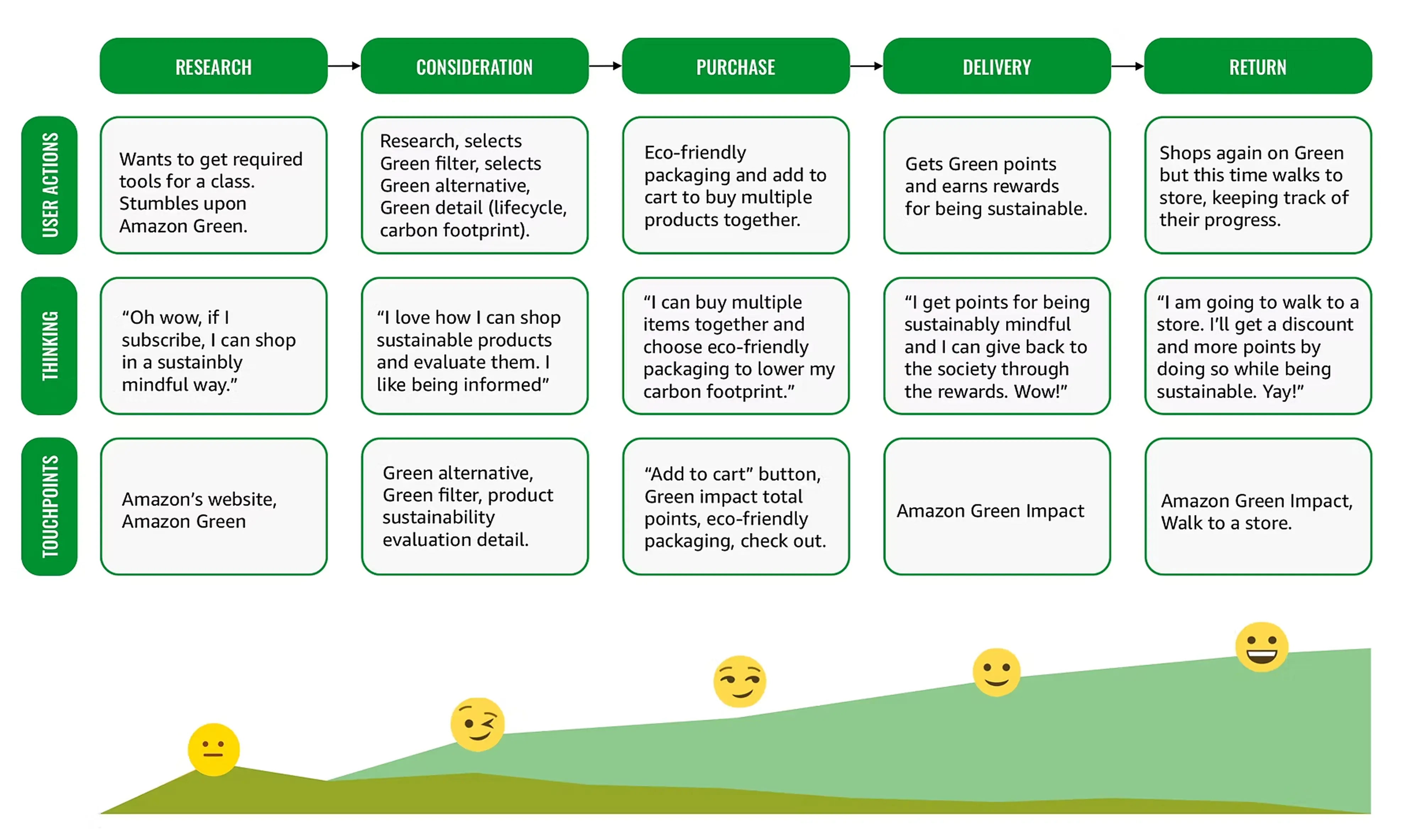
In short
Improving the store alone only goes so far if the quality of the traffic never changes. Strengthening only the advertising just pours budget through a weak landing experience. CIZ holds both so that loop never breaks.
Notes

©2026 | CIZ
R
TIME:
11:58 PM
JST
C
I
Z
Store Ops
From the build through to daily operation. Never built and handed over — conversion and order value are worked on every day.
Area
Own store & CRO
Cadence
Daily
Scope
Account ownership
A store is not finished when it launches. CIZ handles the build, then product and SKU operations, pricing and promotion, cart improvement (CRO) and cross-border — and runs all of it daily.
What gets improved is conversion rate and order value, not appearance. Whatever is losing people at the cart is fixed before anyone touches the homepage.
The problem
Because the same team holds advertising and social, product pages can be rewritten to match the traffic arriving at them. Split the traffic side from the landing side across two vendors and that loop cannot happen.
Cross-border is not just currency, shipping and language. The barrier to purchase differs by market, so payment methods and sizing conventions are part of the design.
Validation
The point of the build is to convert the demand that advertising and social created without losing any of it.
Where the work goes
Product pages: the information needed to decide comes first, ahead of the specification list. Whatever loses people during comparison gets removed.
Cart: form fields, payment methods and when shipping cost appears. This is reliably where the largest gains are.
Category structure: product and category architecture is designed together with SEO. Search and on-site navigation are the same problem.
Pricing and promotion: order value is raised through bundling and multi-buy. Straight discounting only removes margin.
Where a store usually sits
How the options for building and running a store differ.
Build agency: the store gets built, but running it afterwards is a separate contract, so improvement stops at launch.
Platform: perfectly good as a foundation, but operating and improving it is still yours to staff.
Operations vendor: the daily updates happen, but usually with no connection to how the traffic is being bought.
How do we convert the demand we created without losing any of it?
User Model
Where conversion is being lost, stage by stage through the funnel.
Whether the product page says what the advertising promised.
Why people abandon at the cart and at payment, walked through end to end.
Whether inventory and production actually line up with the sales plan.
The landing experience gets fixed before traffic is increased. Reverse the order and the ad budget is wasted.
Conversion comes before a visual refresh.
Who is buying
Buyers split between those choosing on price and those choosing on use case. The messaging is built separately for each.
The path today
Mapping what exists
Tag & API setup and User Testing.
The initial design runs product range, category structure and cart as one piece. Handled separately, they stop agreeing with each other later.
The initial design runs product range, category structure and cart as one piece. Handled separately, they stop agreeing with each other later.
The initial design runs product range, category structure and cart as one piece. Handled separately, they stop agreeing with each other later.
The initial design runs product range, category structure and cart as one piece. Handled separately, they stop agreeing with each other later.
The initial design runs product range, category structure and cart as one piece. Handled separately, they stop agreeing with each other later.
Stage one: fix the landing experience
Product information carries what comparison actually requires: materials, sizing, use case, and how it differs from the alternatives.
Price and shipping are stated early. Discovering them at the cart is a leading cause of abandonment.
Reviews and real-use photography move the purchase decision directly. Material from social and influencer work is routed here.
What stage one covers
Product pages carry use-case and care information. What cannot be pictured in use does not sell.
Connecting the physical store
Stage two: raise order value
Browsing: related and complementary products are designed in, so an order does not stop at one item.
Repeat: post-purchase contact and a route back in. Acquisition cost is only recovered from the second order onward.
Landing pages: paid traffic sometimes needs its own landing page rather than the product page, split by message.
What stage two covers
Page speed and image weight are monitored continuously; both feed straight into conversion.
Brand expression is kept to what does not obstruct the decision. Decoration must never hide the path through.
Back-office conventions are documented so the store is updated to the same standard regardless of who is doing it.
The build and the daily operation of your own store, held by the same team as advertising and social.
Getting started
We start by reviewing the store and its measurement, then set the order of work. The cart and the product pages come first.
Where a migration is needed it is staged, in an order that does not put existing revenue at risk.
Listing and filters
Categories and filters are built around how people actually search, not around how the catalogue is organised internally.
Out-of-stock items are designed with the alternative already offered.
Product detail
The detail page carries everything the decision needs without sending anyone elsewhere.
Where a higher-specification option exists for the same use, the two can be compared side by side.
Cart and payment
The cart shows total, shipping and delivery date together.
Packaging and delivery options are offered so cost and timing can be traded off.
Physical store
Payment methods are whatever the target market actually uses.
Form fields are kept to a minimum, and creating an account is never a condition of buying.
Reporting
Post-purchase status is surfaced where your team can actually see it.
Sales data comes out at a granularity the advertising side can allocate against directly.
After the purchase
Packaging and delivery
How the message appears
Sales plan
The result is advertising, social and the store all working from the same numbers.
The path after handover
In short
Improving the store alone only goes so far if the quality of the traffic never changes. Strengthening only the advertising just pours budget through a weak landing experience. CIZ holds both so that loop never breaks.
Notes
©2026 | CIZ
R
TIME:
11:58 PM
JST
C
I
Z
Store Ops
From the build through to daily operation. Never built and handed over — conversion and order value are worked on every day.
Area
Own store & CRO
Cadence
Daily
Scope
Account ownership
A store is not finished when it launches. CIZ handles the build, then product and SKU operations, pricing and promotion, cart improvement (CRO) and cross-border — and runs all of it daily.
What gets improved is conversion rate and order value, not appearance. Whatever is losing people at the cart is fixed before anyone touches the homepage.
The problem
Because the same team holds advertising and social, product pages can be rewritten to match the traffic arriving at them. Split the traffic side from the landing side across two vendors and that loop cannot happen.
Cross-border is not just currency, shipping and language. The barrier to purchase differs by market, so payment methods and sizing conventions are part of the design.
Validation
The point of the build is to convert the demand that advertising and social created without losing any of it.
Where the work goes
Product pages: the information needed to decide comes first, ahead of the specification list. Whatever loses people during comparison gets removed.
Cart: form fields, payment methods and when shipping cost appears. This is reliably where the largest gains are.
Category structure: product and category architecture is designed together with SEO. Search and on-site navigation are the same problem.
Pricing and promotion: order value is raised through bundling and multi-buy. Straight discounting only removes margin.
Where a store usually sits
How the options for building and running a store differ.
Build agency: the store gets built, but running it afterwards is a separate contract, so improvement stops at launch.
Platform: perfectly good as a foundation, but operating and improving it is still yours to staff.
Operations vendor: the daily updates happen, but usually with no connection to how the traffic is being bought.
How do we convert the demand we created without losing any of it?
User Model
Where conversion is being lost, stage by stage through the funnel.
Whether the product page says what the advertising promised.
Why people abandon at the cart and at payment, walked through end to end.
Whether inventory and production actually line up with the sales plan.
The landing experience gets fixed before traffic is increased. Reverse the order and the ad budget is wasted.
Conversion comes before a visual refresh.
Who is buying
Buyers split between those choosing on price and those choosing on use case. The messaging is built separately for each.
The path today
Mapping what exists
Tag & API setup and User Testing.
The initial design runs product range, category structure and cart as one piece. Handled separately, they stop agreeing with each other later.
The initial design runs product range, category structure and cart as one piece. Handled separately, they stop agreeing with each other later.
The initial design runs product range, category structure and cart as one piece. Handled separately, they stop agreeing with each other later.
The initial design runs product range, category structure and cart as one piece. Handled separately, they stop agreeing with each other later.
The initial design runs product range, category structure and cart as one piece. Handled separately, they stop agreeing with each other later.
Stage one: fix the landing experience
Product information carries what comparison actually requires: materials, sizing, use case, and how it differs from the alternatives.
Price and shipping are stated early. Discovering them at the cart is a leading cause of abandonment.
Reviews and real-use photography move the purchase decision directly. Material from social and influencer work is routed here.
What stage one covers
Product pages carry use-case and care information. What cannot be pictured in use does not sell.
Connecting the physical store
Stage two: raise order value
Browsing: related and complementary products are designed in, so an order does not stop at one item.
Repeat: post-purchase contact and a route back in. Acquisition cost is only recovered from the second order onward.
Landing pages: paid traffic sometimes needs its own landing page rather than the product page, split by message.
What stage two covers
Page speed and image weight are monitored continuously; both feed straight into conversion.
Brand expression is kept to what does not obstruct the decision. Decoration must never hide the path through.
Back-office conventions are documented so the store is updated to the same standard regardless of who is doing it.
The build and the daily operation of your own store, held by the same team as advertising and social.
Getting started
We start by reviewing the store and its measurement, then set the order of work. The cart and the product pages come first.
Where a migration is needed it is staged, in an order that does not put existing revenue at risk.
Listing and filters
Categories and filters are built around how people actually search, not around how the catalogue is organised internally.
Out-of-stock items are designed with the alternative already offered.
Product detail
The detail page carries everything the decision needs without sending anyone elsewhere.
Where a higher-specification option exists for the same use, the two can be compared side by side.
Cart and payment
The cart shows total, shipping and delivery date together.
Packaging and delivery options are offered so cost and timing can be traded off.
Physical store
Payment methods are whatever the target market actually uses.
Form fields are kept to a minimum, and creating an account is never a condition of buying.
Reporting
Post-purchase status is surfaced where your team can actually see it.
Sales data comes out at a granularity the advertising side can allocate against directly.
After the purchase
Packaging and delivery
How the message appears
Sales plan
The result is advertising, social and the store all working from the same numbers.
The path after handover
In short
Improving the store alone only goes so far if the quality of the traffic never changes. Strengthening only the advertising just pours budget through a weak landing experience. CIZ holds both so that loop never breaks.
Notes
©2026 | CIZ
R
TIME:
11:58 PM
JST
C
I
Z
Menu