Paid Media
Full ownership of the account, from campaign structure through to measurement. Judged on ROAS and margin.
Area
Meta ads & creative
Cadence
Daily
Scope
Account ownership

CIZ takes ownership of the advertising account outright. Campaign structure, creative production and testing, budget and bid management, and server-side conversion measurement are all handled by the same team. Meta is the primary platform, with the mix built around your products and inventory. Decisions are made on ROAS and margin, never on clicks. Because spend is judged by what came back rather than what went out, every report is tied to revenue.
When advertising is handed to an outside vendor it separates from e-commerce and social, and a gap opens between the side that spends and the side that earns. Because the same CIZ team also holds the store and the social channels, a message that performs in paid moves straight onto the product page and into posts. It works the other way too: material that performs organically or through influencers is licensed for reuse and moved into paid creative. Production is never paid for twice.
What follows is the scope CIZ runs as standard. The actual structure is built around your products, your inventory and your production schedule.
About this service
Acquisition advertising, primarily on Meta. Ownership of the account stays with you; CIZ holds the operating access.
Advertising is treated as an investment in sales, not a spend on awareness. What delivery is aimed at is a purchase on your own store, and the repeat purchase after it.
The problem, and what changes
The common starting state is that the numbers in the ad platform and the actual revenue do not agree. There is no sound basis for deciding where budget should go.
Platform-reported conversions overlap, and double counting appears as soon as more than one channel is running. The figures have to be reconciled against actual revenue.
What you get
Budget decisions get made at the level of the campaign that actually produced profit.
What the business gets
Evaluation on ROAS and contribution margin means scale is never bought at the cost of profit.
How it is measured
ROAS
CPA
Contribution margin
Measurement agreement
Where advertising usually sits
There are a few standard places advertising gets handed to. Here is what each tends to produce.
Full-service agency: broad platform coverage, but e-commerce and social usually sit with other vendors, so the coordination cost stays.
Specialist media buyer: the advertising itself gets optimised, but nothing reaches the product page the traffic lands on.
Automation tooling: bidding can be automated, but creative and measurement still have to be designed by people.
In-house: decisions are fast, but platform changes and the demand for new creative outrun the headcount.

How do we move spend into an allocation that leaves profit behind?
User Model
Before taking the account over we run a diagnostic: the gap between reported and actual revenue, any holes in measurement, and how many creatives are running and how concentrated the spend is across them.
What the diagnostic looks at
First: is measurement connected to revenue. Without server-side tracking there is no basis for any allocation decision.
Second: how concentrated the creative is. When a handful of assets carry most of the delivery, performance falls off a cliff the moment they fatigue.
Third: whether the messaging stops at the individual product. Offer-led structures — bundles, use-case framing — usually scale better than per-SKU ones.
Spend is judged by what came back, not by what went out.
The baseline is revenue you measured yourself, not the figure the platform reports.
Allocation changes are made weekly. Nothing waits for the end of the month.
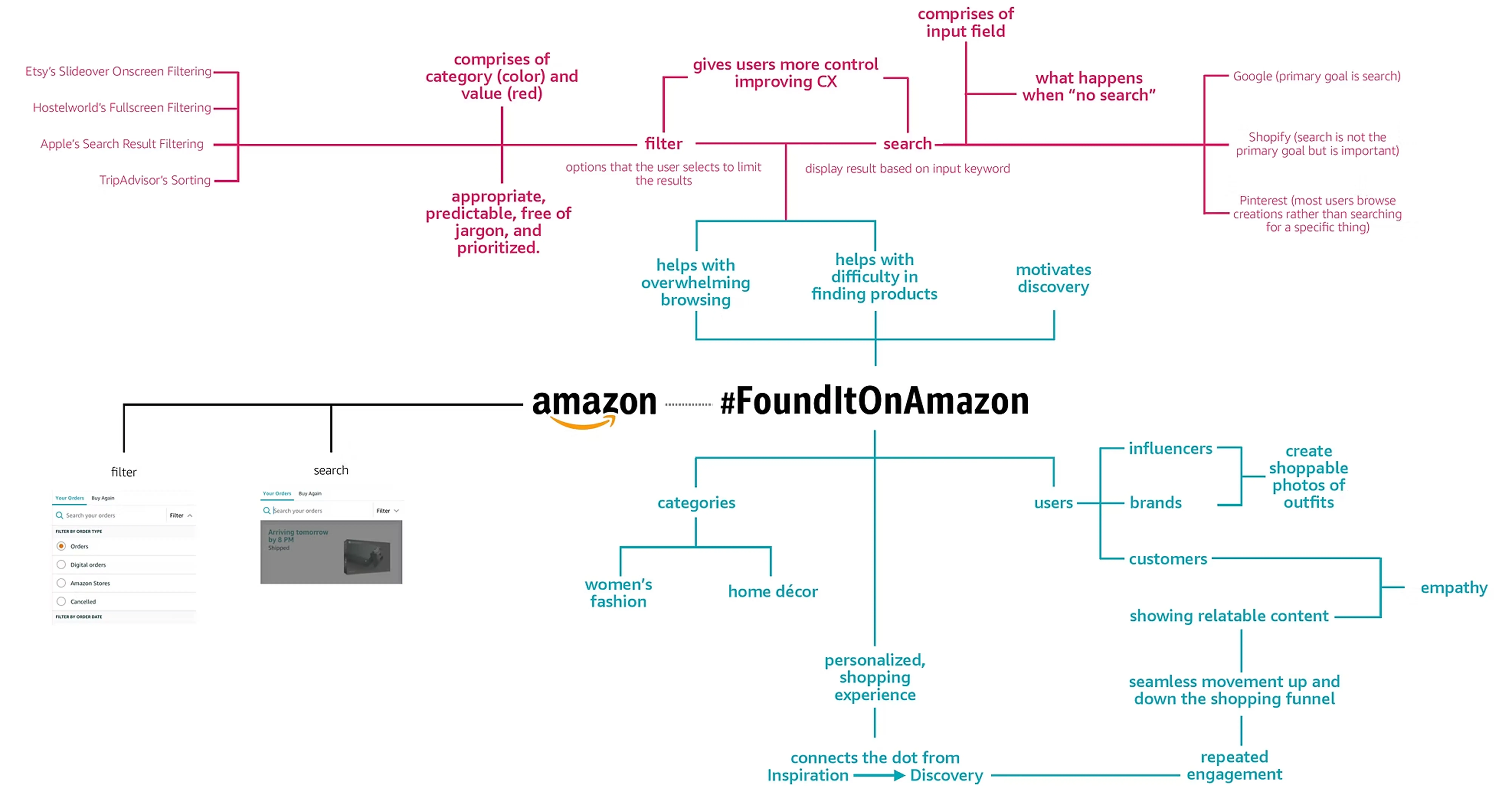
Mind Map for Secondary Model
Today
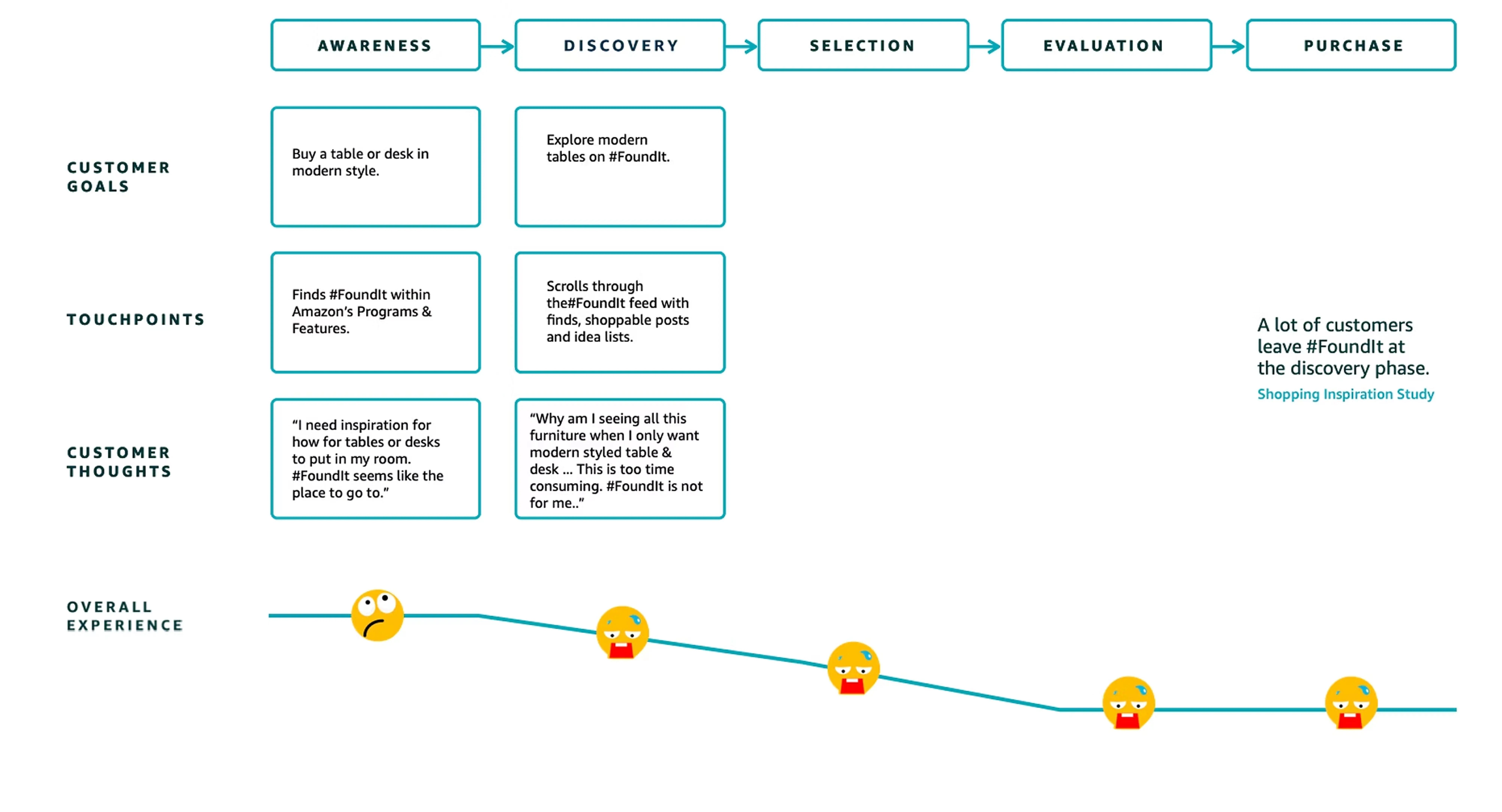
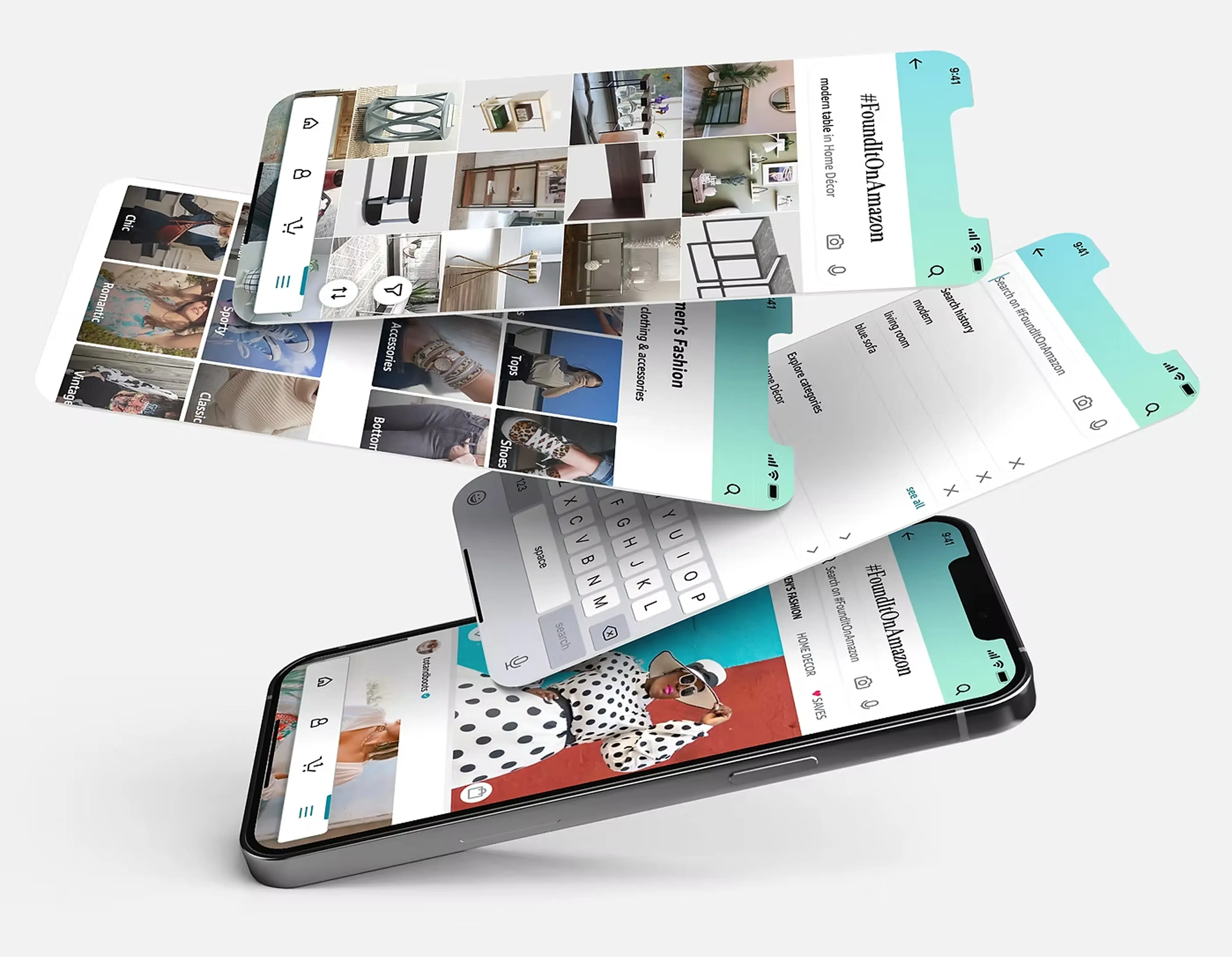
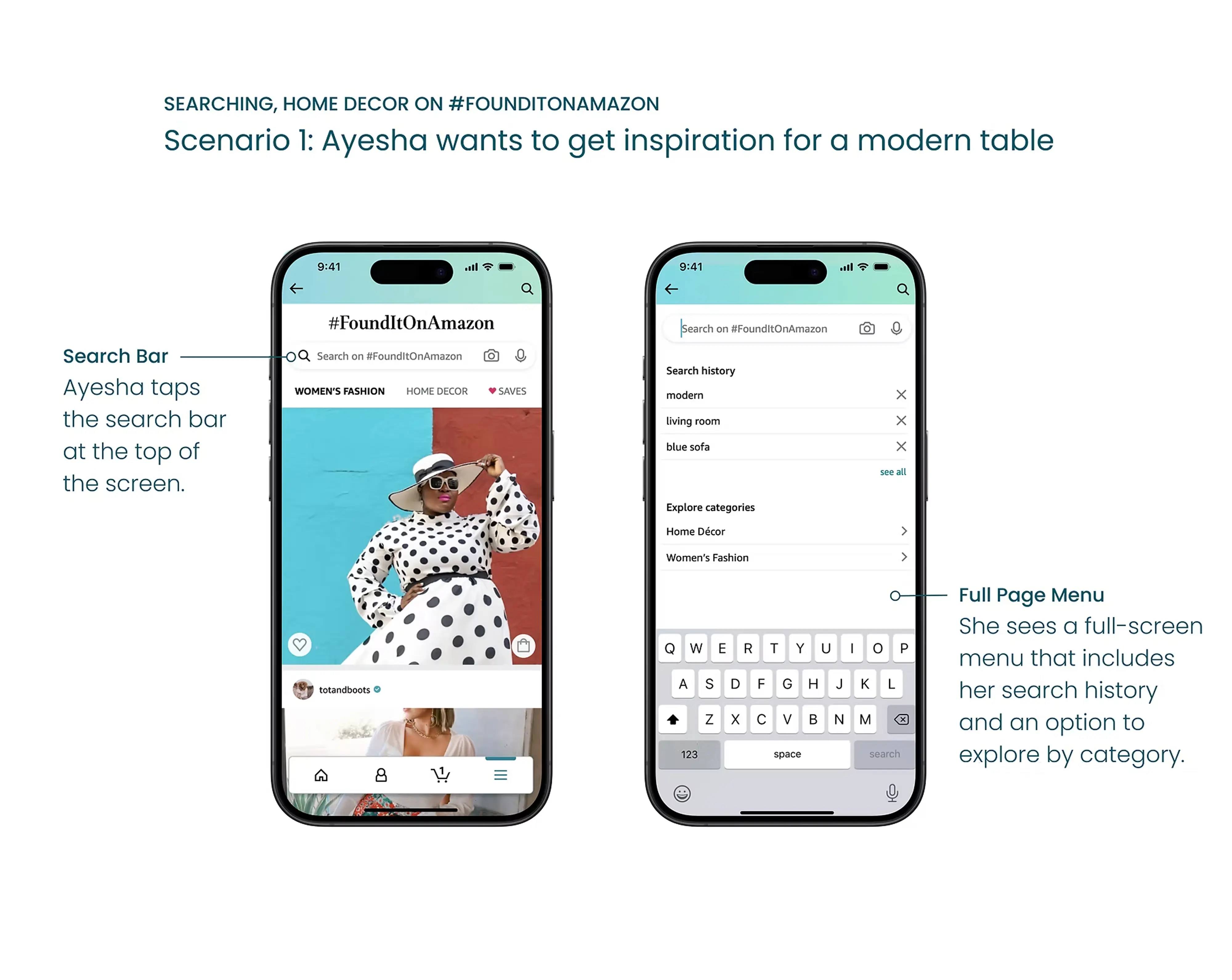
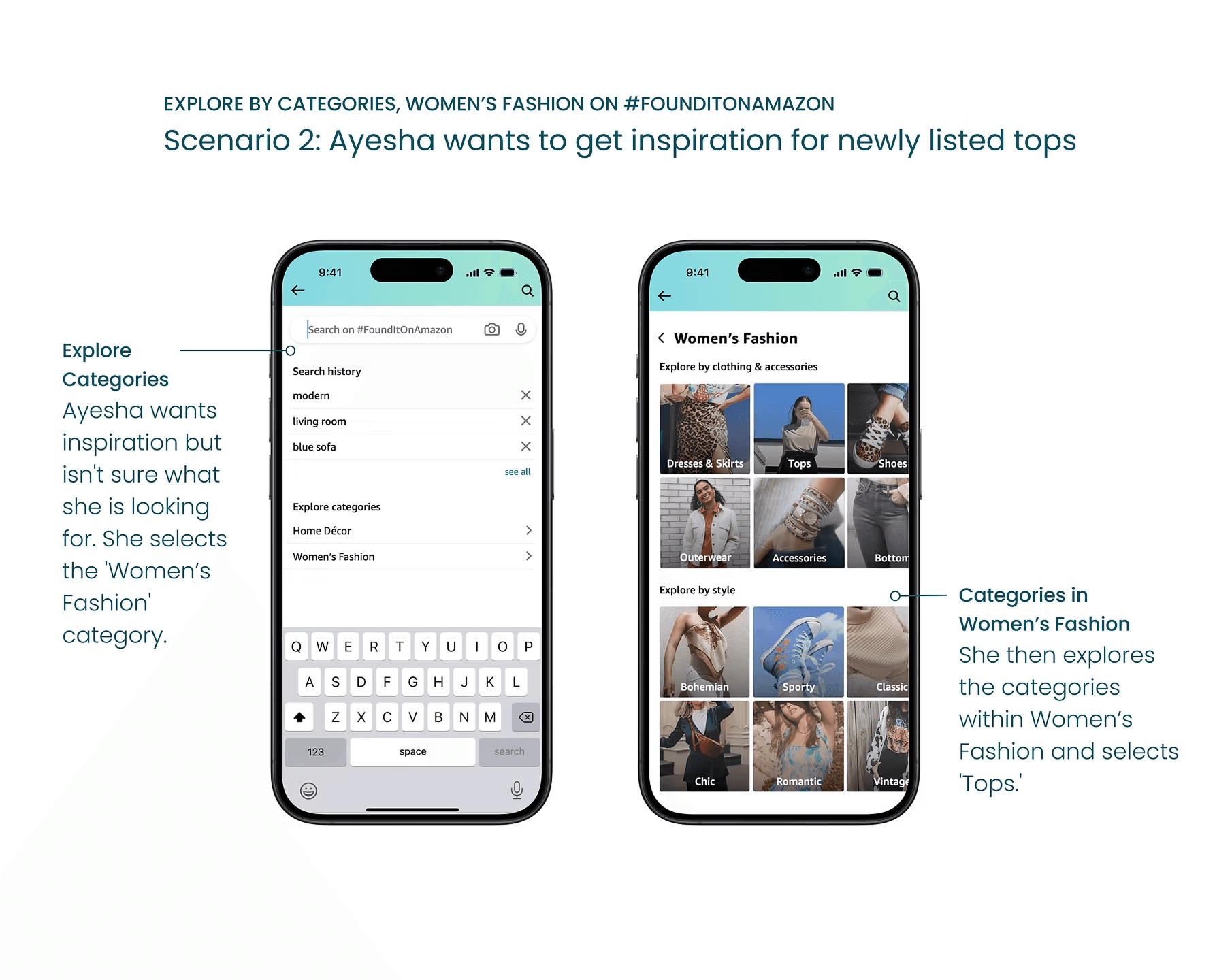
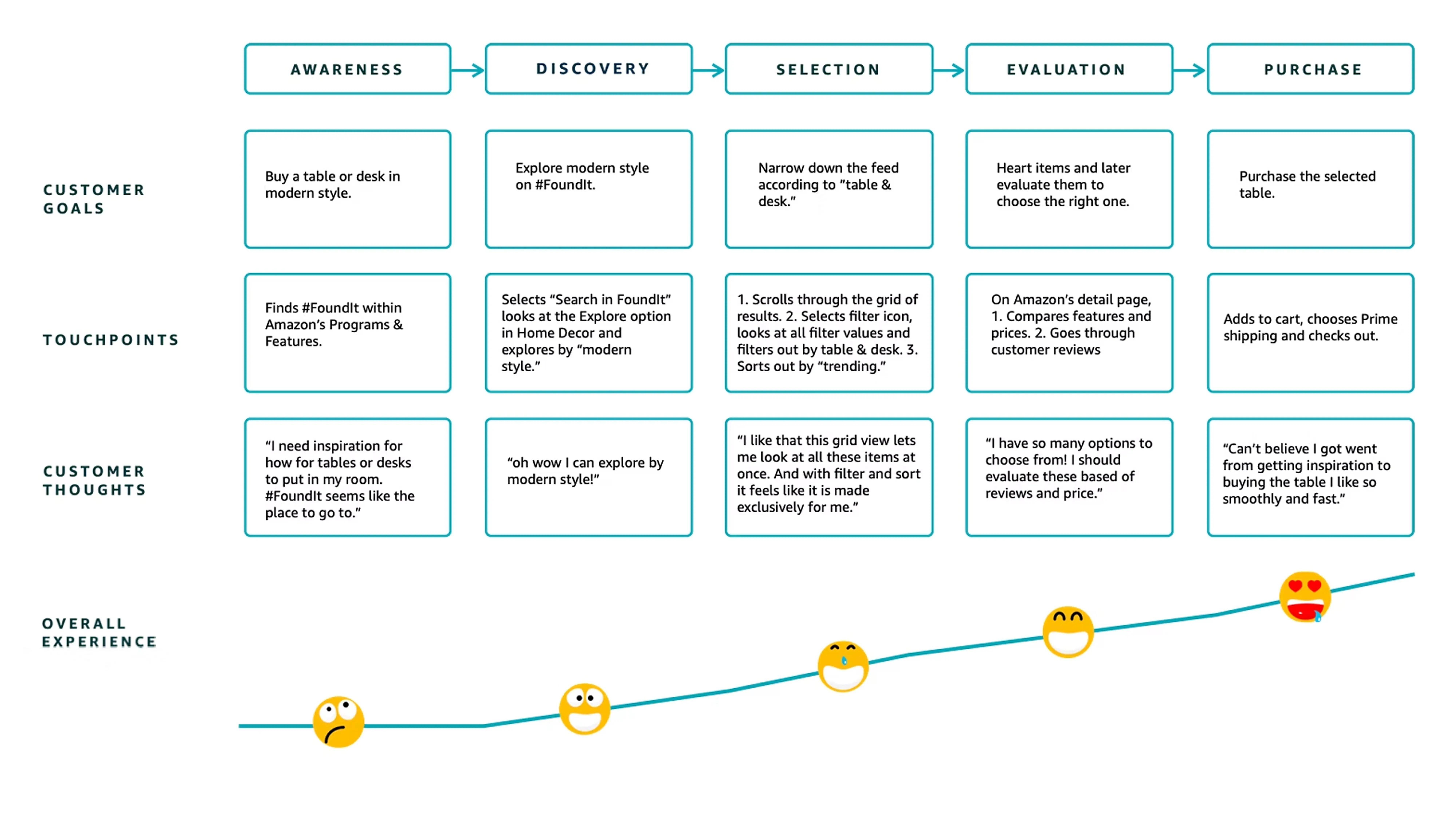
Get inspired with #FoundItOnAmazon; search and filter to find the best!
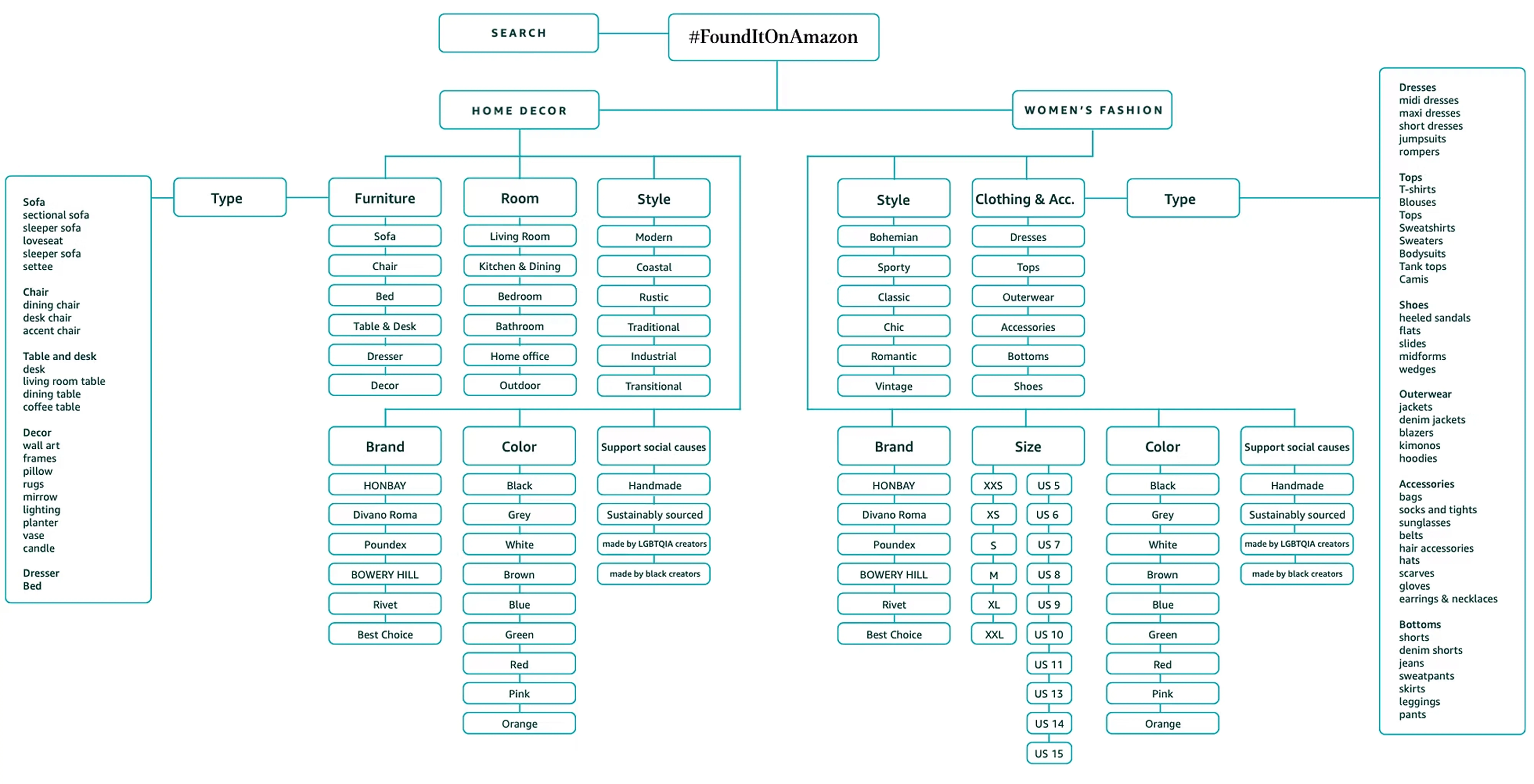
Information architecture
The weekly check
Once the account is running, these are checked every week.
Where the spend is going, and which campaigns are actually producing profit.
Whether any creative has started to fatigue.
Whether measurement has developed gaps or double counting.
Whether the daily spend ceiling still matches inventory and production.
What we do
Campaign structure is rebuilt around your products and stock levels rather than dropped into a fixed template.
Creative is supplied continuously. Testing runs at the level of the message, and what wins is kept.
Bids and budgets are adjusted daily against contribution margin.
Server-side measurement traces revenue back to the campaign that produced it.
Reporting is weekly, on ROAS, CPA and contribution margin. Flattering numbers are left out.
Where it usually goes wrong
A common failure: chasing cost per click while never looking at margin after the purchase.
A common failure: creative supply stops, the same assets keep running, and response decays.
A common failure: measurement never leaves the ad platform, so cross-channel double counting goes unnoticed.
A common failure: advertising and the store sit with different teams, so traffic rises but conversion never moves.
How we start
Month one: put measurement in place and reconcile reported figures against actual revenue.
Month two: stand up continuous creative supply and begin testing at the message level.
Month three onward: reallocate on contribution margin and operate on a weekly cycle.
Throughout, the same team improves the product pages and the cart.
After the handover
Reusing Creative
Creative is produced once and deployed to both paid and organic.
Whatever performs in social or influencer posts is licensed for reuse and moved into paid.
A message that wins in paid goes back into the product page headline and the posting plan.
Shooting and editing happen once, not separately for paid and organic.
The result is that production is never paid for twice.


In short
Advertising run on its own always hits a ceiling. More traffic leaves no more profit if the product page and the cart never change. That is why CIZ holds advertising, e-commerce and social on one team.
Notes
Details of the operating scope are shared in the first conversation.
Operating assumptions

©2026 | CIZ
R
TIME:
JST
Paid Media
Full ownership of the account, from campaign structure through to measurement. Judged on ROAS and margin.
Area
Meta ads & creative
Cadence
Daily
Scope
Account ownership
CIZ takes ownership of the advertising account outright. Campaign structure, creative production and testing, budget and bid management, and server-side conversion measurement are all handled by the same team. Meta is the primary platform, with the mix built around your products and inventory. Decisions are made on ROAS and margin, never on clicks. Because spend is judged by what came back rather than what went out, every report is tied to revenue.
When advertising is handed to an outside vendor it separates from e-commerce and social, and a gap opens between the side that spends and the side that earns. Because the same CIZ team also holds the store and the social channels, a message that performs in paid moves straight onto the product page and into posts. It works the other way too: material that performs organically or through influencers is licensed for reuse and moved into paid creative. Production is never paid for twice.
What follows is the scope CIZ runs as standard. The actual structure is built around your products, your inventory and your production schedule.
About this service
Acquisition advertising, primarily on Meta. Ownership of the account stays with you; CIZ holds the operating access.
Advertising is treated as an investment in sales, not a spend on awareness. What delivery is aimed at is a purchase on your own store, and the repeat purchase after it.
The problem, and what changes
The common starting state is that the numbers in the ad platform and the actual revenue do not agree. There is no sound basis for deciding where budget should go.
Platform-reported conversions overlap, and double counting appears as soon as more than one channel is running. The figures have to be reconciled against actual revenue.
What you get
Budget decisions get made at the level of the campaign that actually produced profit.
What the business gets
Evaluation on ROAS and contribution margin means scale is never bought at the cost of profit.
How it is measured
ROAS
CPA
Contribution margin
Measurement agreement
Where advertising usually sits
There are a few standard places advertising gets handed to. Here is what each tends to produce.
Full-service agency: broad platform coverage, but e-commerce and social usually sit with other vendors, so the coordination cost stays.
Specialist media buyer: the advertising itself gets optimised, but nothing reaches the product page the traffic lands on.
Automation tooling: bidding can be automated, but creative and measurement still have to be designed by people.
In-house: decisions are fast, but platform changes and the demand for new creative outrun the headcount.
How do we move spend into an allocation that leaves profit behind?
User Model
Before taking the account over we run a diagnostic: the gap between reported and actual revenue, any holes in measurement, and how many creatives are running and how concentrated the spend is across them.
What the diagnostic looks at
First: is measurement connected to revenue. Without server-side tracking there is no basis for any allocation decision.
Second: how concentrated the creative is. When a handful of assets carry most of the delivery, performance falls off a cliff the moment they fatigue.
Third: whether the messaging stops at the individual product. Offer-led structures — bundles, use-case framing — usually scale better than per-SKU ones.
Spend is judged by what came back, not by what went out.
The baseline is revenue you measured yourself, not the figure the platform reports.
Allocation changes are made weekly. Nothing waits for the end of the month.
Mind Map for Secondary Model
Today
Get inspired with #FoundItOnAmazon; search and filter to find the best!
Information architecture
The weekly check
Once the account is running, these are checked every week.
Where the spend is going, and which campaigns are actually producing profit.
Whether any creative has started to fatigue.
Whether measurement has developed gaps or double counting.
Whether the daily spend ceiling still matches inventory and production.
What we do
Campaign structure is rebuilt around your products and stock levels rather than dropped into a fixed template.
Creative is supplied continuously. Testing runs at the level of the message, and what wins is kept.
Bids and budgets are adjusted daily against contribution margin.
Server-side measurement traces revenue back to the campaign that produced it.
Reporting is weekly, on ROAS, CPA and contribution margin. Flattering numbers are left out.
Where it usually goes wrong
A common failure: chasing cost per click while never looking at margin after the purchase.
A common failure: creative supply stops, the same assets keep running, and response decays.
A common failure: measurement never leaves the ad platform, so cross-channel double counting goes unnoticed.
A common failure: advertising and the store sit with different teams, so traffic rises but conversion never moves.
How we start
Month one: put measurement in place and reconcile reported figures against actual revenue.
Month two: stand up continuous creative supply and begin testing at the message level.
Month three onward: reallocate on contribution margin and operate on a weekly cycle.
Throughout, the same team improves the product pages and the cart.
After the handover
Reusing Creative
Creative is produced once and deployed to both paid and organic.
Whatever performs in social or influencer posts is licensed for reuse and moved into paid.
A message that wins in paid goes back into the product page headline and the posting plan.
Shooting and editing happen once, not separately for paid and organic.
The result is that production is never paid for twice.
In short
Advertising run on its own always hits a ceiling. More traffic leaves no more profit if the product page and the cart never change. That is why CIZ holds advertising, e-commerce and social on one team.
Notes
Operating assumptions
©2026 | CIZ
R
TIME:
JST
Paid Media
Full ownership of the account, from campaign structure through to measurement. Judged on ROAS and margin.
Area
Meta ads & creative
Cadence
Daily
Scope
Account ownership
CIZ takes ownership of the advertising account outright. Campaign structure, creative production and testing, budget and bid management, and server-side conversion measurement are all handled by the same team. Meta is the primary platform, with the mix built around your products and inventory. Decisions are made on ROAS and margin, never on clicks. Because spend is judged by what came back rather than what went out, every report is tied to revenue.
When advertising is handed to an outside vendor it separates from e-commerce and social, and a gap opens between the side that spends and the side that earns. Because the same CIZ team also holds the store and the social channels, a message that performs in paid moves straight onto the product page and into posts. It works the other way too: material that performs organically or through influencers is licensed for reuse and moved into paid creative. Production is never paid for twice.
What follows is the scope CIZ runs as standard. The actual structure is built around your products, your inventory and your production schedule.
About this service
Acquisition advertising, primarily on Meta. Ownership of the account stays with you; CIZ holds the operating access.
Advertising is treated as an investment in sales, not a spend on awareness. What delivery is aimed at is a purchase on your own store, and the repeat purchase after it.
The problem, and what changes
The common starting state is that the numbers in the ad platform and the actual revenue do not agree. There is no sound basis for deciding where budget should go.
Platform-reported conversions overlap, and double counting appears as soon as more than one channel is running. The figures have to be reconciled against actual revenue.
What you get
Budget decisions get made at the level of the campaign that actually produced profit.
What the business gets
Evaluation on ROAS and contribution margin means scale is never bought at the cost of profit.
How it is measured
ROAS
CPA
Contribution margin
Measurement agreement
Where advertising usually sits
There are a few standard places advertising gets handed to. Here is what each tends to produce.
Full-service agency: broad platform coverage, but e-commerce and social usually sit with other vendors, so the coordination cost stays.
Specialist media buyer: the advertising itself gets optimised, but nothing reaches the product page the traffic lands on.
Automation tooling: bidding can be automated, but creative and measurement still have to be designed by people.
In-house: decisions are fast, but platform changes and the demand for new creative outrun the headcount.
How do we move spend into an allocation that leaves profit behind?
User Model
Before taking the account over we run a diagnostic: the gap between reported and actual revenue, any holes in measurement, and how many creatives are running and how concentrated the spend is across them.
What the diagnostic looks at
First: is measurement connected to revenue. Without server-side tracking there is no basis for any allocation decision.
Second: how concentrated the creative is. When a handful of assets carry most of the delivery, performance falls off a cliff the moment they fatigue.
Third: whether the messaging stops at the individual product. Offer-led structures — bundles, use-case framing — usually scale better than per-SKU ones.
Spend is judged by what came back, not by what went out.
The baseline is revenue you measured yourself, not the figure the platform reports.
Allocation changes are made weekly. Nothing waits for the end of the month.
Mind Map for Secondary Model
Today
Get inspired with #FoundItOnAmazon; search and filter to find the best!
Information architecture
The weekly check
Once the account is running, these are checked every week.
Where the spend is going, and which campaigns are actually producing profit.
Whether any creative has started to fatigue.
Whether measurement has developed gaps or double counting.
Whether the daily spend ceiling still matches inventory and production.
What we do
Campaign structure is rebuilt around your products and stock levels rather than dropped into a fixed template.
Creative is supplied continuously. Testing runs at the level of the message, and what wins is kept.
Bids and budgets are adjusted daily against contribution margin.
Server-side measurement traces revenue back to the campaign that produced it.
Reporting is weekly, on ROAS, CPA and contribution margin. Flattering numbers are left out.
Where it usually goes wrong
A common failure: chasing cost per click while never looking at margin after the purchase.
A common failure: creative supply stops, the same assets keep running, and response decays.
A common failure: measurement never leaves the ad platform, so cross-channel double counting goes unnoticed.
A common failure: advertising and the store sit with different teams, so traffic rises but conversion never moves.
How we start
Month one: put measurement in place and reconcile reported figures against actual revenue.
Month two: stand up continuous creative supply and begin testing at the message level.
Month three onward: reallocate on contribution margin and operate on a weekly cycle.
Throughout, the same team improves the product pages and the cart.
After the handover
Reusing Creative
Creative is produced once and deployed to both paid and organic.
Whatever performs in social or influencer posts is licensed for reuse and moved into paid.
A message that wins in paid goes back into the product page headline and the posting plan.
Shooting and editing happen once, not separately for paid and organic.
The result is that production is never paid for twice.
In short
Advertising run on its own always hits a ceiling. More traffic leaves no more profit if the product page and the cart never change. That is why CIZ holds advertising, e-commerce and social on one team.
Notes
Operating assumptions
©2026 | CIZ
R
TIME:
JST
Menu